
Every NBA season brings its share of surprises, and the early weeks of this one have already revealed lineups performing far better than expected.
Several teams entered the year with modest outlooks yet rolled out combinations that look unusually cohesive, balanced, and poised.
These aren’t random hot streaks. Many of these groups are showing the kind of chemistry, defensive focus, and role clarity that often hold up as scouting reports sharpen and rotations settle.
Some lineups thrive because young players have taken real leaps. Others benefit from offseason additions that clicked immediately. A few are discovering new identity through pacing, spacing, or defensive grit.
Below are the units making the loudest early-season noise and why their success might not be temporary.
Why Early-Season Lineups Are Defying Expectations
Lineups can outperform expectations for several reasons, but most success stories start with the same ingredients: better chemistry, improved spacing, and sharper defense.
Even without months of continuity, certain groups click almost immediately, revealing a cohesion that stands out against preseason projections.
A strong early stretch doesn’t guarantee long-term dominance, although meaningful signs emerge quickly. Defensive communication, rebounding control, and playmaking flow stabilize earlier than shooting efficiency or pace.
When a lineup shows real synergy in these areas, analysts take notice. Fans also do, especially as they compare NBA odds and broader expectations with what these early combinations are showing on the court through the season’s opening weeks.
These surprise units don’t just pop. They offer clues about how the league’s evolving styles, positionless defense, deeper benches, and multipositional creators continue to reshape competitive balance.
Detroit’s Starting Five Is Turning Identity Into Impact
The Detroit Pistons entered the year with optimism after a breakout run last season, but even that didn’t fully prepare fans for how sharp their starting lineup would look right away.
Cade Cunningham’s continued rise has become the heartbeat of this group, giving Detroit an engine who controls tempo, reads defenses, and sets the tone on both ends.
Everything flows from that steadiness. Jalen Duren and the frontcourt supply physicality, rim protection, and second-chance opportunities that tilt games. The group’s early success has felt deliberate, not accidental, because their identity leans on defense and rebounding, two traits that rarely evaporate with time.
Detroit’s starting unit has shown the hallmarks of a lineup built to sustain early wins. Their roles mesh cleanly, and their strengths reinforce each other.
With a foundation rooted in disciplined defense and half-court execution, they have positioned themselves as one of the most unexpectedly polished lineups in the league.
Houston’s New Offensive Mix Is Offering More Than Expected
Houston might have entered the season with intrigue, but their starting lineup has rapidly become one of the most surprisingly potent groups in the West.
The addition of Kevin Durant reshaped Houston’s spacing and late-clock reliability, giving their younger stars room to breathe.
Alperen Şengün looks increasingly comfortable as a creator in the high post, benefiting from the defensive gravity Durant draws. Jabari Smith Jr. is showing sharper decision-making and more confidence in the midrange and behind the arc, complementing Houston’s pace and physicality.
For some, the surprise has been how seamlessly this trio has blended. Their offense feels layered rather than star-dependent, with enough versatility to adapt when defenses adjust.
Their rebounding advantage continues to buy extra possessions, making them even more dangerous against teams still figuring out early-season rotations.
Houston’s growth isn’t a fluke. It reflects a lineup discovering its balance more quickly than expected.
Chicago’s Rotation Lineups Are Outplaying Their Reputation
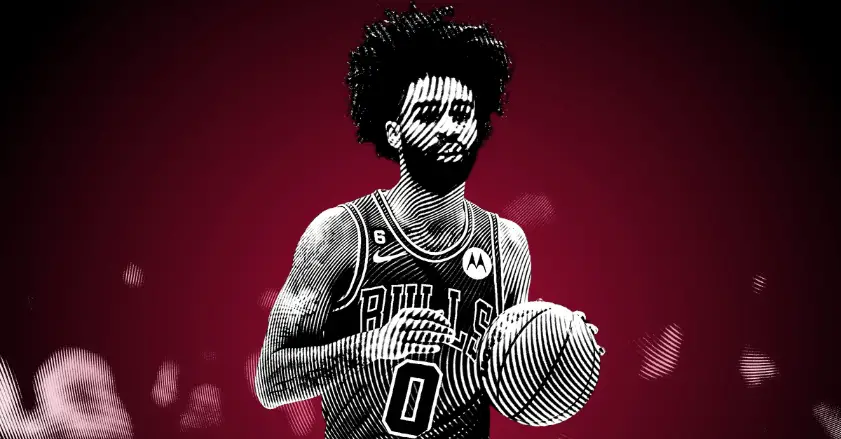
The Bulls have been one of the more fascinating early-season surprises because their strongest lineups aren’t just the starters; they’re the rotation units built around pace, playmaking, and versatile defense. Josh Giddey’s steady presence has unlocked cleaner ball movement and created easier looks for teammates who thrive off rhythm.
Chicago’s rotation includes key contributors like Josh Giddey, Coby White, and Patrick Williams. Coby White and Patrick Williams add spacing and on-ball pressure, creating a blend of energy and stability that many opponents underestimate.
However, it is worth noting that their overall impact is part of a broader, more balanced group. While these players provide valuable skills in spacing, playmaking, and defense, the Bulls’ rotation also relies on others such as Ayo Dosunmu, Nikola Vucevic, and Matas Buzelis.
The Bulls’ depth has become a competitive advantage, allowing them to remain steady even when key players miss time.
Fans tracking how Chicago’s evolving rotation impacts their season trajectory can find ongoing NBA team news and analysis for a sense of where this group might trend as roles become more defined throughout the winter.
These lineups aren’t just benefiting from early-season adrenaline. They’re playing with purpose, communication, and a style that fits modern NBA tempos.
Why These Lineups Show Signs of Staying Power
Some early-season trends fade as the scouting reports get sharper, but others show clear indicators of long-term potential. The lineups highlighted above share several promising traits:
- Strong defensive communication,
- Consistent rebounding control,
- Reliable playmaking hierarchy,
- Balanced spacing or shot creation,
- Defined roles that players embrace.
These characteristics usually hold up through the long grind of the season. Shooting luck may swing, and certain matchups will test these units, but their success stems from habits that don’t fade overnight.
There is always the possibility that early surprises shift direction. Opponents may adjust coverages against Houston’s frontcourt spacing. Chicago’s pace-heavy lineups could cool if defenses take away transition outlets. Detroit may face stretches where half-court execution becomes more difficult.
Even with those possibilities in mind, these early surges feel more meaningful than fleeting. Their lineups pass the eye test, not just the stat test.
The Rising Units Defining the Season’s Pulse
Unexpected lineup success is part of what makes the early NBA season compelling, but these units offer more than novelty. They highlight how development, roster fit, and modern strategy can transform teams faster than the broader basketball world anticipates.
When a group clicks this early, especially one that wasn’t projected to dominate, it can reshape playoff races, conference balance, and fan expectations.
These lineups may evolve, but their early performances have already added new layers to the season’s storylines.
They remind us that potential often emerges when scouting reports don’t cover all the bases and that the most exciting combinations are sometimes the ones no one predicted.
*Content reflects information available as of 2025/11/26; subject to change.
HoopSocial

Independent basketball blog covering all things NBA, WNBA, College Hoops, Draft, and Betting. Follow us on Facebook, Twitter, Instagram, TikTok, YouTube, and listen to HoopSocial Podcasts anywhere you get your shows!