
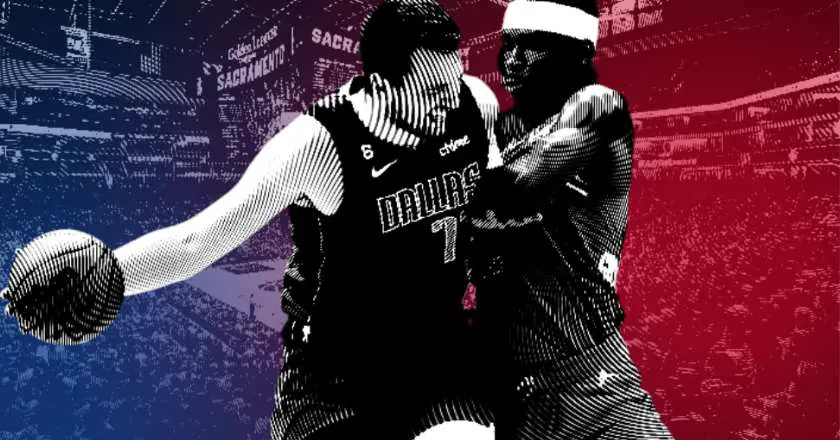
Scoring grabs headlines, but defense defines champions. Each season, the path to the NBA Finals proves the same: elite teams separate themselves on defense. While offenses evolve and three-point volume rises, contenders consistently generate stops in high-pressure moments.
Analytics back up what coaches have long preached. Defensive rating, rim protection, turnover creation, and rebounding percentage reliably predict postseason success. When pace slows and possessions matter more, flashy scoring alone won’t carry a team through four playoff rounds. Examining a team’s defensive identity reveals which franchises truly belong in the Finals conversation, even as personnel and schemes adapt to a faster, more positionless league.
Versatile and Switchable Personnel
The era of the stationary, back-to-the-basket big man anchoring a drop-only scheme is over. Modern elite defenses rely on players who guard multiple positions without becoming liabilities. Offenses hunt mismatches through pick-and-roll actions, so eliminating weak links becomes essential.
The Boston Celtics exemplify this principle. Their roster features wings and bigs who comfortably switch across matchups. Jayson Tatum and Jaylen Brown handle perimeter threats, while Nikola Vucevic protects the paint and rotates seamlessly. This 1-through-5 switching approach simplifies rotations and forces opponents into isolation-heavy possessions late in the shot clock.
For bettors scanning FanDuel NBA odds, the pattern is clear: teams built on switchable personnel consistently project deeper playoff runs. Understanding how positional versatility shapes a defense can give context to the numbers, highlighting which squads are more likely to sustain pressure without giving up easy looks.
The Anchor: The Defensive Player of the Year Caliber
Switching fuels flexibility, but elite defenses still need a safety net at the rim. A dominant shot-blocker changes how offenses operate. Drivers hesitate. Floaters replace layups. The paint becomes contested territory rather than an automatic scoring zone.
The Memphis Grizzlies demonstrate the value of this anchor through Zach Edey His timing and recovery speed erase mistakes at the point of attack. Even when guards lose containment, he slides across the lane and challenges vertically without fouling. That presence empowers perimeter defenders to gamble for steals, knowing help waits behind them.
For fans and analysts tracking NBA trends, resources like FanDuel Research highlight how this combination of rim protection and perimeter mobility functions as a defensive “cheat code.” A versatile big who can block shots and switch onto wings gives coaches schematic freedom. When playoff basketball tightens and every possession matters, interior deterrence often determines which teams survive the march to the NBA Finals.
Relentless Point-of-Attack Pressure
Elite defense begins long before the ball reaches the paint. It starts at half court, where guards disrupt rhythm and timing. Containing the dribble forces offenses to initiate sets further from the basket, shrinking passing angles and compressing spacing.
The Oklahoma City Thunder embody this identity. Luguentz Dort and the Thunder’s young perimeter core apply full-court pressure, fight through screens, and contest every dribble. Ball-handlers rarely operate comfortably. Over 48 minutes, that physical engagement drains opponents mentally and physically.
This pressure produces tangible results. Early pickups force rushed passes, disrupted spacing breaks offensive sets, and live-ball turnovers spark transition opportunities, turning defense directly into offense. Teams that suffocate the point of attack control tempo and energy, two elements that become decisive in postseason series and essential in any legitimate NBA Finals pursuit.
Cohesive Communication and Help Rotations
Talent alone does not create elite defense. Organization transforms individual ability into collective dominance. The best units communicate constantly, calling out screens, tagging rollers, and rotating in synchronized motion.
The Miami Heat illustrate this cohesion under Erik Spoelstra. Their defensive system emphasizes positioning and awareness over pure athleticism. Miami’s “gap” principles clog driving lanes and help defenders rotate instantly to contest shots without overcommitting. Every player understands responsibilities within the scheme.
That trust produces consistency. Players anticipate rather than react. Rotations arrive early instead of late. A cohesive defense forces opponents into contested mid-range attempts rather than open threes or layups. In playoff environments where execution tightens, communication becomes a separator. Teams that defend as one organism, rather than five isolated pieces, consistently extend their seasons toward the NBA Finals.
Dominating the Defensive Glass
A defensive stop remains incomplete until the rebound is secured. Second-chance points undermine momentum and exhaust defenders who just executed a strong possession. Elite teams treat rebounding as a collective responsibility, not an individual stat.
The Minnesota Timberwolves provide a blueprint. Rudy Gobert protects the rim, but the entire roster commits to boxing out and collapsing toward the paint. Wings and guards crash down to secure loose balls, limiting opponents to a single shot per trip.
By controlling the boards, Minnesota sets the pace. Securing rebounds allows for organized transitions and prevents chaotic scramble situations. Over a playoff series, denying second opportunities chips away at an opponent’s confidence. Controlling the defensive boards ensures that every possession ends decisively, reinforcing discipline and strengthening the foundation required for teams aiming for the NBA Finals.
Defense Wins More Than Just Games
As offensive numbers soar across the league, it becomes tempting to equate highlight plays with championship potential. Yet every postseason reminds fans that defensive identity travels. Versatility, rim protection, pressure, communication, and rebounding remain the pillars of sustainable success.
The path to the NBA Finals rarely favors teams built solely on scoring bursts. It rewards structure, accountability, and collective buy-in. Defense stabilizes performance when shots stop falling and pressure mounts.
For contenders and hopefuls alike, the formula is consistent. Build switchable lineups. Anchor the paint. Pressure the ball. Communicate relentlessly. Finish possessions. Do those things at an elite level, and the offensive rhythm often follows. In today’s NBA, defensive identity is not optional; it is the common thread binding every true championship threat.
Content reflects information available as of 2026/02/25; subject to change.
HoopSocial

Independent basketball blog covering all things NBA, WNBA, College Hoops, Draft, and Betting. Follow us on Facebook, Twitter, Instagram, TikTok, YouTube, and listen to HoopSocial Podcasts anywhere you get your shows!