
By the time the calendar turns the page on the holidays, the NBA season feels different. November’s experimentation fades, December’s chaos settles, and fans begin to eye January, where patterns begin to take shape.
For high-level fans, this stretch becomes less about nightly box scores and more about what games reveal beneath the surface.
Matchups between elite teams start to resemble chess matches rather than track meets. Rotations tighten. Defensive schemes grow more deliberate. Coaches test ideas they’ll rely on in April and May.
The games still put the score up on boards, but the meaning attached to them feels heavier. January doesn’t decide champions, yet it often shows who’s built like one.
Why January Games Carry Outsize Meaning
January sits at the league’s unofficial midpoint, which makes it a natural evaluation window. Teams now have enough data to understand who they are and where they’re headed, but still enough runway to fix what’s broken.
Several factors elevate this month beyond routine regular-season fare:
- Mid-season benchmarks: Games against elite opponents reveal more about a contender than blowout wins over rebuilding teams,
- Seeding math: The standings often feel compressed in January. One or two head-to-head results can quietly swing future home-court advantage,
- Narrative momentum: Marquee performances shape ongoing conversations around MVP races, coaching, and contender tiers.
For fans who enjoy context as much as competition, January offers clarity. It’s when the league’s noise starts to give way to substance.
Inter-Conference Showdowns That Feel Bigger Than January
Some regular-season games immediately feel like previews of something larger. When top teams from opposite conferences meet, the chessboard expands.
Denver Nuggets at Cleveland Cavaliers (January 2)
Denver’s visit to Cleveland early in the month draws attention for a reason. Nikola Jokić against a defense anchored by Evan Mobley and Jarrett Allen isn’t just a star-versus-star storyline; it’s a test of structure.
This matchup may answer lingering questions over whether Cleveland can stay disciplined against the league’s most patient offense and whether Denver can maintain rhythm against size and length inside. These are the questions that resonate long after the final buzzer.
Oklahoma City Thunder at Cleveland Cavaliers (MLK Day, January 19)
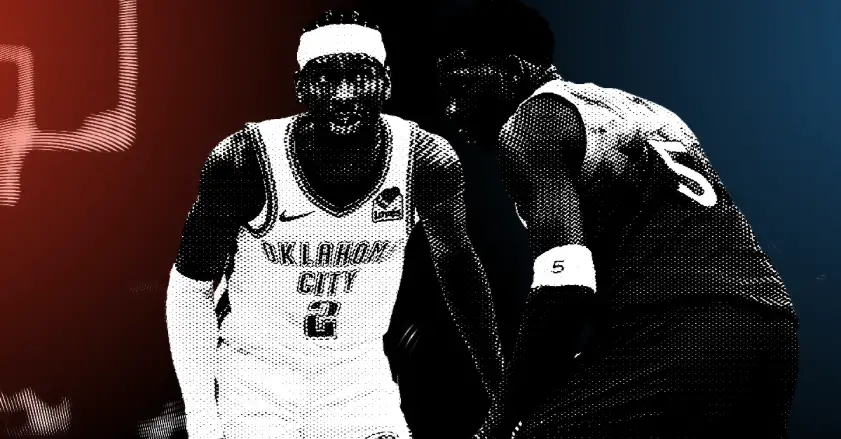
Later in the month, Oklahoma City’s trip to Cleveland brings a different kind of intrigue. Shai Gilgeous-Alexander and Donovan Mitchell headline a backcourt matchup defined by control, timing, and precision.
Both guards shape the flow of the game possession by possession, challenging defenses to stay disciplined. The matchup offers a clear look at how two confident teams handle heightened expectations when the gap between contenders is slim.
For fans gauging how these inter-conference matchups shape expectations around elite teams, the broader league context, often reflected in places like the NBA lines on FanDuel, helps frame the attention they inevitably attract.
Eastern Conference Games That Quietly Decide Seeding
Not every important January game arrives with national hype. Some matter because of what they signal internally.
Philadelphia 76ers at New York Knicks (January 3)
Philadelphia visiting New York is one of those matchups. Tyrese Maxey and Jalen Brunson set the tone, but the real story often lies in spacing, defensive communication, and late-game composure. These games reveal which teams can execute when possessions slow, and crowds get louder.
Late-January Rivalry Week Matchups
Late January’s rivalry-heavy slate amplifies those stakes. Familiar opponents bring emotional energy that neutral games rarely match.
Fans pay attention to details like body language after missed calls or how quickly teams recover from momentum swings. Rivalry games have a way of exposing cracks or reinforcing trust within a roster.
Some January games matter less for the spotlight they draw and more for how they quietly influence seeding, confidence, and late-season positioning within a crowded conference.
Western Matchups That Reveal True Contenders
Out West, January often becomes a proving ground for teams with legitimate title hopes.
Denver Nuggets at Boston Celtics (January 7)
Denver’s visit to Boston highlights contrasting philosophies. The Nuggets rely on movement, spacing, and decision-making. The Celtics counter with switchable wings and physicality.
Watching how Boston disrupts Denver’s flow, or how Denver adapts, provides insight into playoff viability on both sides.
Milwaukee Bucks at Denver Nuggets (January 11)
Milwaukee’s matchup with Denver later in the month adds another layer. Since the teams are already familiar with each other’s tendencies, the focus shifts away from surprise and toward in-game adjustments. Coaches tweak coverages. Stars counter familiar looks. These games show whether teams can evolve on the fly, a trait that separates champions from contenders.
In the Western Conference, January serves as a reality check, revealing which teams can hold up against elite competition when adjustments replace experimentation.
Star Power Tests That Expose Long-Term Priorities
January also reveals how organizations balance urgency with preservation.
Milwaukee Bucks at Los Angeles Lakers (January 9)
Milwaukee’s trip to Los Angeles offers a case study. The Bucks lean on Giannis Antetokounmpo’s relentless pressure, while the Lakers manage LeBron James and Luka Dončić with long-term goals in mind.
Observing minutes distribution, defensive matchups, and late-game usage tells fans how seriously teams weigh January wins against spring health.
San Antonio Spurs at Boston Celtics (January 10)
Then there’s San Antonio visiting Boston. Victor Wembanyama’s presence alone alters offensive game plans. Watching how an elite Celtics offense navigates his defensive reach gives fans a glimpse into the future, while also showing how young teams measure progress beyond wins and losses.
For fans tracking how storylines shift throughout the league, resources that focus on context, like the latest NBA news and trends, help connect individual games to the bigger picture.
Coaching, Adjustments, and the Trade Deadline Ripple Effect
By January, the film is plentiful. Coaches adjust accordingly, armed with clearer data and fewer unknowns about their rosters.
Defensive schemes become more tailored. Rotations shorten in key matchups. Some experiments quietly end. Others hint at postseason strategies taking shape. High-level fans notice when a coach trusts a lineup in crunch time or abandons one entirely.
Front offices are watching, too. A rough January stretch against quality opponents can accelerate trade deadline decisions. A strong showing may encourage patience and internal confidence.
These games don’t just affect standings; they influence organizational direction.
The Stretch That Sets the Tone
January rarely crowns champions, but it shapes belief. It tells fans which teams respond to pressure, which stars elevate against elite competition, and which coaches adapt when familiarity replaces surprise and scouting reports grow thicker.
By spring, many answers emerge. January nights hinted at them first when contenders revealed their habits, resilience, and identity. The league quietly showed who was ready for what comes next.
*Content reflects information available as of 22/12/2025; subject to change
HoopSocial

Independent basketball blog covering all things NBA, WNBA, College Hoops, Draft, and Betting. Follow us on Facebook, Twitter, Instagram, TikTok, YouTube, and listen to HoopSocial Podcasts anywhere you get your shows!